The ministry itself has no creed required for those who participate, nor any faith is a prerequisite for the participants. It is our desire that all people learn to study the Word of God for themselves — to read it firsthand with the intent on understanding the original meanings of the words and message to the original hearers.
It is our understanding that should a person want to understand God’s word — God himself will encourage and heal those people (Matthew 13).
That being said, it is fair to ask about our belief system and our understanding of faith. NOTE: This is not something I will personally push on people outside of the reading and study of Scripture in the ministry. That reading and studying are the crucial points — and it is intimate and it requires all of us to seek truth and understand it for ourselves.
There is only one truth — but there are many people and we are on a journey to either understand that truth (or even deny that truth, or parts of truth) for ourselves. If people want to know my take — I’ll be happy to tell them. I believe manipulating and being underhanded in any way is outside of God’s desire for us in our lives.
I have no compunction against encouraging people to enter into a relationship with Jesus as their Lord. To learn to read and study the Word of God so as to understand what he would have of them. I don’t desire to encourage people into a particular denomination or into a particular local church. I would encourage discernment for both.
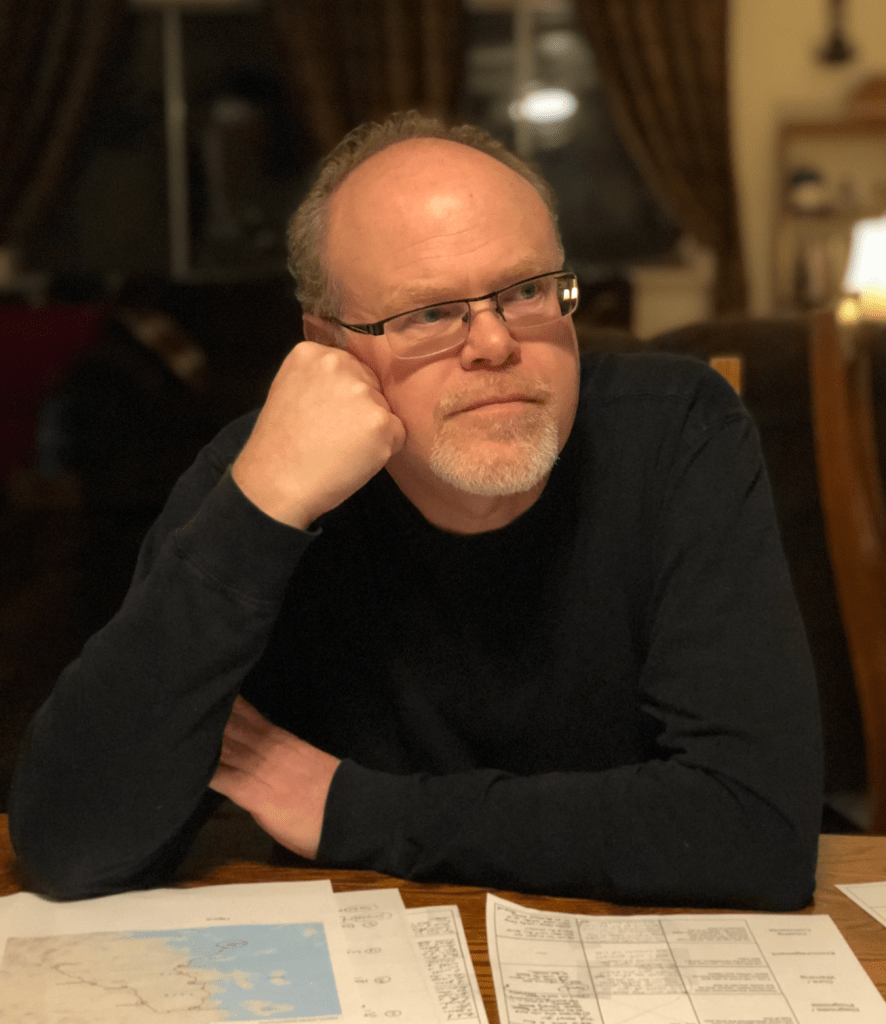
First Hand Truth founder and presenter / Rick McNally / Rick has a BA from Moody Bible Institute, Chicago, Illinois, circa 1986-88, ’90 / He has 30 years of experience in local church settings working with adults, teens, college students and elementary students. He is well versed in Bible study methods as well as Logos Bible Software (which he has about 20 years of experience).
Statement of Faith
Note: This is not cut and paste from other sources. This statement of faith was written in one setting in about an hour to describe firsthand my thoughts on faith and doctrine. Please forgive if it isn’t the most elegant statements — but it is honest.
Bibliology / We believe that the Bible is inerrant and inspired by God; that the Books of scripture from both the Old Testament and the New Testament are divinely breathed out by God and profitable for our lives. We believe that the truth of God is progressive, and that the newer books help better explain theology more clearly than the earlier books; God was opening up truth to people little by little so that in the end he would show us what he was like most clearly in the person and work of Jesus. We should strive to understand the Word of God and the intent of the writings meanings upon the ears of its original audience, and then gain principles to apply to our own cultures and time. (2 Tim 3:16-17, 2 Peter 1:20-21, Hebrews 1:1-3).
Theology Proper / We believe that God is “Spirit, infinite and eternal and unchangeable in his being, wisdom, power, holiness, justice, goodness, and truth.” God exists in Trinity — the Father, the Son, and the Holy Spirit — one being, three personalities. Although I have quoted a description of God — I don’t believe it fully does him justice as he is far beyond our understanding, and we are using words to simply get a glimpse. (Exodus 3:14, Psalm 90:2, John 4:24, 1 John 4:8)
Christology / We believe that Christ existed for eternity, that he was a major player in creation itself, and is found clearly in the pages of the Old Testament as the “Anointed One,” “The Messiah,” “The Servant,” and many other titles and descriptions. He was born into this world from a virgin, he was sinless, he was God himself in human form, he was fully God and fully man. He lived a righteous life before people as a person of deep love and kindness, he shared with his disciples (and anyone who would listen) truth. He was crucified for our sins (not his own, for he had none) and died, and buried, and rose again on the third day. He is at the right hand of the Father to this day interceding for his people and preparing a place for those who trust in him. (Psalm 2, Isaiah [Servant Song], John 1:1-14, Col 1:15-20, Heb 1:1-3)
Pneumatology / We believe in the Holy Spirit who indwells the people who believe and have faith in Christ. He enables us to live righteous lives (the Fruit of the Spirit) and he gives us gifts to edify others (Spiritual Gifts). It is our task in Christ to learn how to “submit,” “walk,” “live,” and “keep in step” with his ministry in our lives. Our daily life as Christians is dependent upon our submission to him. (John 14, Gal 5:22-23, Acts 2, Eph 1:13-14)
Harmartiology / We believe that mankind is tainted with sin and that it is in itself unable to know or understand God. We believe that all people are in this condition. We believe that God through Christ in some ways overlooks sin so as to bring people to himself in the Gospel. Not that God is light on sin, but rather patient with us lost ones, and desires for all to come to salvation. Since we are all sinners, we should learn to be patient with people who sin — for they are like us. The personal acknowledgement of sin is important in the living out of our lives with others. (Genesis 3, Romans 1, Romans 3:23, 5:12, 1 John 1:8-10)
Soteriology / God’s plan of salvation began in the Old Testament pages and culminated in the Gospels. Jesus (the Messiah) came to be the rescue that we all need desperately. Jesus’ death (Vicarious Penal Atonement), burial, and resurrection on our behalf have made it possible for us to have a new relationship with God that looks like a new birth. Paul says that “For our sake he [God] made him [Christ] to be sin who knew no sin, so that in him we might become the righteousness of God.” 2 Corinthians 5:21. This salvation shows up in scripture in three forms:
Justification / past tense / we are initially saved by grace through faith, not of works. God himself makes us alive in Christ through faith. We are free from the consequences of sin.
Sanctification / present tense / our day-to-day walk with Jesus is one where we learn and grow in Christ; we do good works through the Holy Spirit living inside of us. We strive to know him more and love each other more. These are works, God working in us, which leads to our desire to grow and mature and become more like him every day. We are being freed from the consequences of sin.
Glorification / future tense / We will one day, in heaven, be freed from sin entirely and take on heavenly bodies free of sin and shame. We will one day be totally free from sin.
(John 3:16, Romans 5:1-8, Eph 2:8-9, Gal 2:16, 2 Cor 5:17)
Ecclesiology / The Church is the totality of all believers of all times in all places — the called-out Body of Christ. The local church is a manifestation of the church that, from one extent to another, is that Universal Church. The local church is best a representative of that greater church the more it obeys the Word of God and acts in manners consistent with it. God is the ultimate judge of the status of the local church. The Word of God helps us on earth to have discernment as to which church represents God well and which do not. The church is like a living organism in that all believers are part of the Body of Christ, and we both ought to be one with Jesus, listening to the Head, to Christ alone. Her job on earth is to teach people to move into a discipleship relationship with Jesus himself (make disciples), and go into the world and share the good news of Christ. (Matt 16:18, Col 1:18, Eph 1:22-23, Eph 5:25-27, 1 Cor 12:12-27, Rom 12:4-5, Matthew 28:19-20, Revelation 2-3)
Eschatology / The Lord Jesus will come back again soon to take his people home. The world will experience trouble and eventually destruction. There will be a New Heaven and a New Earth. (Matthew 24, Acts 1, 1 Thessalonians 4, 1 Corinthians 15, Phil 3:20-21, Rev 21:2-22:5).